
7 Organic Hair Care Picks for Healthier, Less Breakage
· Editorial Team

Last Updated: October 29, 2026
Quick Summary
Organic hair care means products with ingredients grown without synthetic pesticides, and the USDA Organic seal is the strictest claim to look for. Terms like natural or clean have no shared legal meaning, so check the full ingredient list and certifier name. Choose products by hair type and scalp condition, and give a new routine four to six weeks to show results.
- The USDA Organic seal plus a certifier name is the strictest organic claim on a label.
- Ingredients are listed by weight, so an organic extract near the bottom is a small part of the formula.
- Essential oils and botanical extracts can irritate a sensitive scalp despite being plant-based.
- Match the shampoo and conditioner to the same hair concern rather than mixing opposing formulas.
- Replacing everyday hair ties is a low-cost first step toward reducing breakage.
Table of Contents
- What Organic Hair Care Actually Means
- Organic Ingredients to Look For and to Question
- Building a Natural Hair Care Routine
- How to Prevent Hair Breakage From Everyday Accessories
- Organic Shampoo and Conditioner: Choosing a Pair
- Our Picks: Hair Ties and Accessories Worth Trying
- Booking Your First Organic Hair Care Swap
- Frequently Asked Questions
Organic hair care has become a crowded shelf, and most of the labels on it are harder to read than they should be. If you want healthier hair with less breakage, the simplest place to start is the everyday accessories you wear against it every day.
What Organic Hair Care Actually Means
"Organic" is not a single, legally enforced standard for hair care the way it is for some foods.
That leaves shoppers with a confusing label landscape. Here is how to read it:
- USDA Organic seal. The strictest claim. It means the product's agricultural ingredients meet the program's production and handling standards. Look for the seal plus a certifier name on the back panel.
- "Made with organic ingredients." A weaker claim. It usually means some portion of the agricultural ingredients is organic, not that the whole formula is.
- "Natural" or "clean." Marketing terms with no shared legal definition for personal care. A product can say "natural" while containing synthetic preservatives, and it can say "clean" while containing ingredients you would rather avoid.
- "Botanical" or "plant-derived." Describes where an ingredient started, not how it was grown or processed. A plant-derived ingredient may still be grown with synthetic pesticides.
To verify a claim, check three things: the certification seal and certifier name, the position of organic ingredients on the ingredient list (ingredients are listed in descending order by weight, so an organic extract near the bottom is a small part of the formula), and whether the brand publishes sourcing details. If a brand cannot tell you which ingredients are certified and by whom, treat the organic claim as marketing rather than a standard.
An organic-certified ingredient is not automatically gentler on your scalp or better at conditioning than a conventional one. Use the label to judge sourcing and transparency, then judge the product on how your hair and scalp respond over several weeks.
Organic Ingredients to Look For and to Question
Botanical oils and plant extracts are common in organic formulas, but a plant-derived ingredient is not a guarantee of gentler results for every hair type. For routine advice beyond ingredients, see the thick hair management guide. Look for specific ingredient names and clear sourcing statements, and be cautious of vague marketing phrases that promise repair or strength without explaining how.
Building a Natural Hair Care Routine
A simple routine works better than a long shelf of products. Start with a gentle cleanser, add a conditioner suited to your hair texture, and use a treatment only when your hair needs it. Give each change a few weeks before judging the result, since hair grows slowly.
How to Prevent Hair Breakage From Everyday Accessories
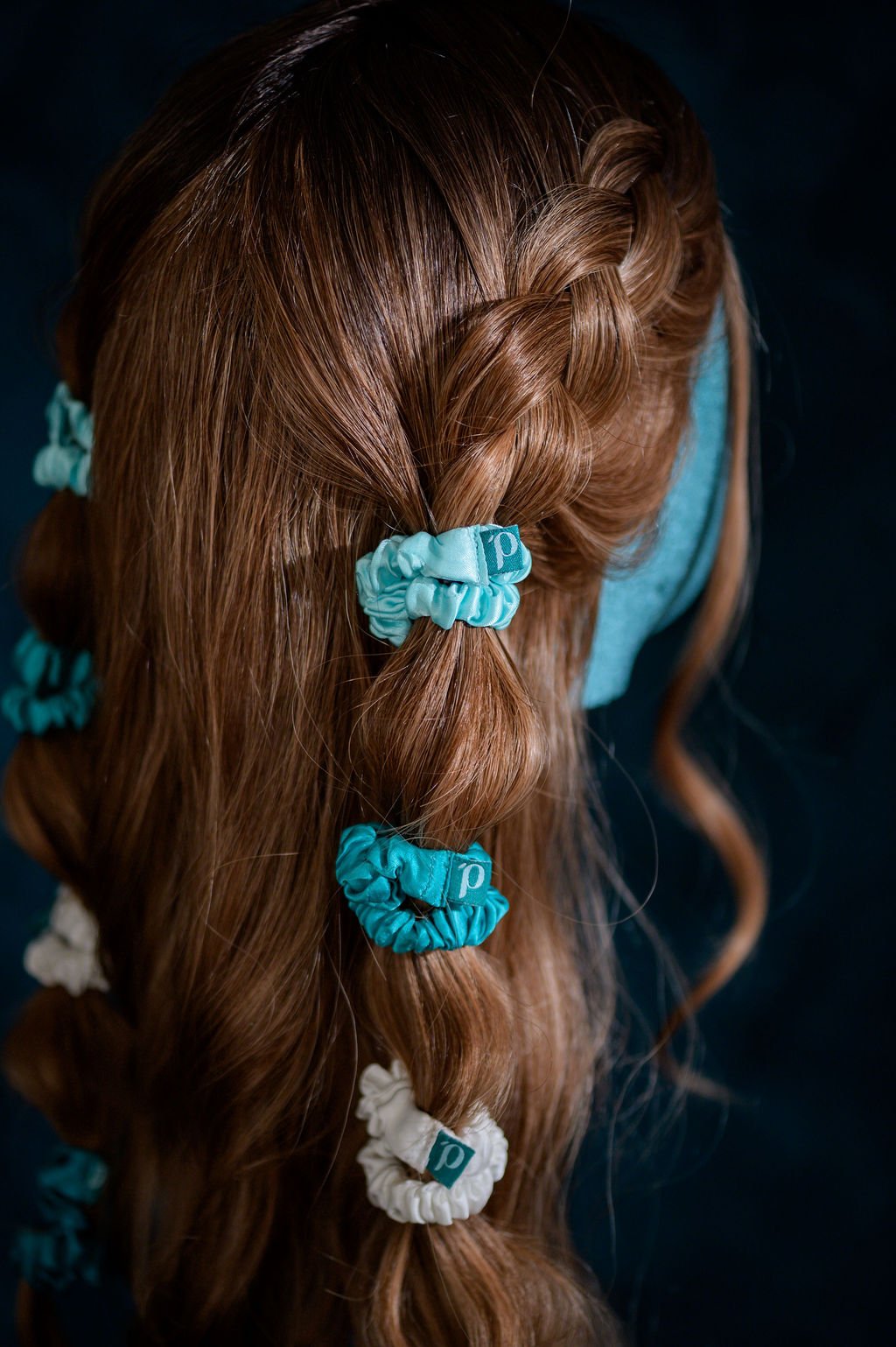
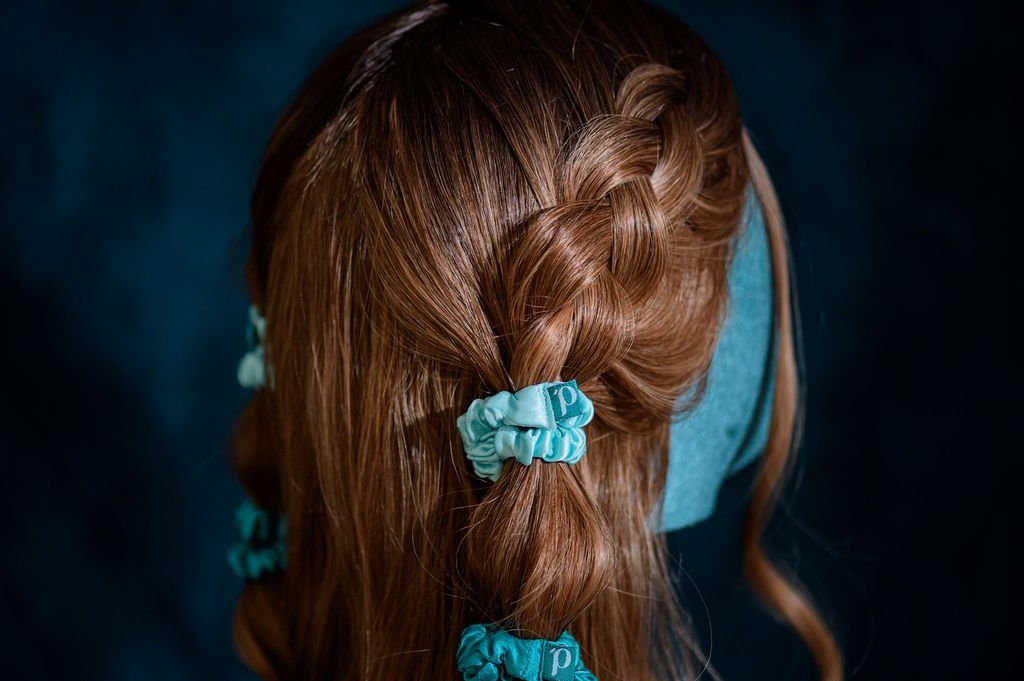
Breakage often comes from tension and friction rather than from the products you apply. Tight elastics that snap back into hair, and ties that pull at the same spot every day, can weaken strands over time. The full step-by-step method for preventing breakage from ties walks through each change in order. Choose soft, non-denting ties, avoid sleeping in tight styles, and loosen your ponytail a little when you can.
2 Pk of 100% Essential Oil Hair Ties | 5 Hair Ties in Each Pack →
Our scented ties are designed to hold firmly and are a practical option for long or delicate hair.
Organic Shampoo and Conditioner: Choosing a Pair
Matching a shampoo and conditioner matters less than matching both to your hair type and scalp condition. The table below organizes the common concerns and the ingredient categories worth looking for, so you can compare products on the label instead of on the front of the bottle.
| Hair type or concern | What to look for | What to watch for |
|---|---|---|
| Fine or limp hair | Lightweight plant oils such as jojoba or grapeseed; gentle cleansers | Heavy butters and oils high on the ingredient list, which can weigh hair down |
| Dry or coarse hair | Richer oils such as argan or coconut; conditioning alcohols and plant butters | High-foam surfactants that can strip moisture |
| Curly or textured hair | Moisture-binding humectants such as glycerin; slip-giving plant conditioners | Sulfate-heavy cleansers that disrupt curl pattern |
| Color-treated hair | Gentle, low-sulfate cleansers; UV-protective plant extracts | Harsh clarifying formulas that fade color faster |
| Oily scalp | Lightweight formulas; tea tree or peppermint extracts | Heavy oils applied near the roots |
| Sensitive or flaky scalp | Fragrance-free or low-fragrance formulas; colloidal oatmeal or aloe | Essential oils and botanical extracts, which can irritate sensitive skin |
A few practical rules apply across all types:
- Read the first five ingredients. They make up most of the formula by weight. If the plant oils or extracts you want appear after the preservatives, they are present in small amounts.
- Do not assume botanical means gentle. Essential oils such as peppermint, eucalyptus, and tea tree can irritate a sensitive scalp, and some people react to plant extracts the way they react to synthetic fragrance.
- Give a pair four to six weeks. Hair grows slowly, and a new routine needs time to show whether it reduces dryness, frizz, or flaking.
- Match the conditioner to the shampoo's job. A moisturizing conditioner paired with a clarifying shampoo can cancel out the benefit; pick a pair aimed at the same concern.
If your scalp reacts with itching or flaking after a switch, stop the new product and consult a dermatologist. Organic status does not rule out sensitivity.
Our Picks: Hair Ties and Accessories Worth Trying
Here are three hair accessory options from our own catalogue.
- 2 Pk of 100% Essential Oil Hair Ties. A bundle of two, offering a choice of scents.
- Lavender scented hair ties in a travel case. Five hand-dyed ties infused with lavender essential oil, packed in a custom purple travel case, making it a perfect gift or self-care essential.
- Peppermint and eucalyptus scented hair ties. Five ties infused with a peppermint, eucalyptus and spearmint essential oil blend, packed in a custom teal travel case.
Booking Your First Organic Hair Care Swap
Start small. Replace your everyday hair ties first, then move on to shampoo and conditioner once you know how your hair responds. Track how your hair feels after a month, and adjust from there.


Frequently Asked Questions
What does organic hair care mean?
Organic hair care refers to products whose ingredients are grown and processed according to organic standards, meaning fewer synthetic pesticides, fertilizers and petroleum-derived additives. Checking for these certification claims, rather than relying on words like 'natural' or 'clean,' is the most reliable way to tell what you are buying.
Are organic hair products better for your hair?
Organic products are not automatically better for every hair type. Their benefits depend on the formula, not the label alone, and an organic product can still be heavy, drying or irritating for some scalps. Look at how a product performs on your hair, including softness, slip and scalp comfort, and patch test new formulas before using them on your whole head. Organic certification speaks to how ingredients were sourced, while hair results depend on what the formula actually does.
How can I prevent hair breakage from styling accessories?
Breakage from ties usually comes from tension, friction and tight wraps rather than the product itself. Choose soft, fabric-based ties rather than thin elastic bands, avoid wrapping the same section repeatedly, and loosen ties at the end of the day. Our Lavender and Uplift scrunchie sets are hand-dyed and built to stay put, which is a sensible starting point for long or delicate hair.
What ingredients should I look for in organic hair care products?
Look for a short ingredient list you can read, a certification seal and clear sourcing details. Plant-derived ingredients and essential oils are common in organic formulas, but essential oils can irritate sensitive scalps, so check for them if you have reactions. Scent claims should be specific: a product that names its oils, like 100 percent lavender essential oil, is easier to evaluate than one that says 'fragrance.'
