
Lavender vs Peppermint Oil for Stress Relief at Work
· Editorial Team

Last Updated: November 12, 2026
Quick Summary
For calming stress, lavender vs peppermint favors lavender, while peppermint suits moments when you need to stay alert. Lavender is typically associated with relaxation and a steadier mood, and peppermint with clarity and energy. Choose based on whether you need to settle down or push through an afternoon slump.
- Use lavender when you feel wound up or anxious before a tense moment.
- Use peppermint when you feel sluggish or foggy, such as before a focus task.
- Lavender is usually the preferred scent for winding down before bed.
- Inhale three slow breaths with the scent, then return to your task after one minute.
- Always dilute essential oils before applying them to skin and patch-test first.
Table of Contents
- Lavender vs Peppermint Oil for Stress: The Short Answer
- How Lavender and Peppermint Act on the Nervous System
- Calming vs Energizing: Lavender and Peppermint Compared Side by Side
- How to Use Lavender Oil for Stress
- How to Use Peppermint Oil for Sleep and Focus
- Can You Mix Lavender and Peppermint Oils in a Diffuser?
- Choosing a Scented Hair Tie to Carry Your Stress Relief Through the Workday
- Frequently Asked Questions
Lavender vs Peppermint Oil for Stress: The Short Answer
Lavender is the better choice for calming stress, and peppermint is the better choice for staying alert. That is the short answer to lavender vs peppermint oil for stress. The Pretty Pretties offers scented hair ties, so you can carry the scent you need into the workday without a bottle in your bag.
The two oils work in different directions. Lavender is typically associated with relaxation and a slower, steadier mood. Peppermint is typically associated with clarity and energy. Choosing between them depends on whether you need to come down from a tense meeting or push through an afternoon slump. If you want to compare the lavender-scented accessories available for carrying the scent with you, see Best Lavender Scented Hair Accessories Compared.
Here is the simple rule we use:
- Feeling wound up or anxious: lavender suits the moment.
- Feeling sluggish or foggy: peppermint suits the moment.
- Winding down before bed: lavender is usually the preferred scent.
The sections below explain why each oil behaves the way it does, how to use each one, and how to decide which to carry.
How Lavender and Peppermint Act on the Nervous System
Essential oils reach the brain mainly through smell, but the two oils take different chemical routes once they arrive. Understanding those routes explains why one settles you and the other sharpens you.
When you inhale a scent, odor molecules bind to receptors in the nasal epithelium and send signals along the olfactory nerve to the olfactory bulb, which connects directly to the limbic system, the amygdala and hippocampus, the regions tied to emotion and memory. That direct wiring is why a familiar scent can shift your mood within seconds, faster than a thought can form.
Lavender's route. Lavender oil is dominated by linalool and linalyl acetate. In laboratory and animal work, linalool has been associated with reduced agitation and a quieter stress response, and lavender is the essential oil most often studied for anxiety and sleep.
Peppermint's route. Peppermint oil is mostly menthol and menthone. Menthol triggers the TRPM8 cold receptor, which is why a single inhale feels cool and sharp.
Some practical points follow from this:
- A calming scent works best when you are already tense and want to settle; using it when you are drowsy can feel like it does nothing.
- A stimulating scent works best when you need attention, not relaxation; using it when you are already wound up can feel jangling.
- Strong scents can fatigue your senses over time, which is why rotating scents, and cycling between lavender and peppermint, can keep both effective.
- Inhaled oils act within seconds to minutes, but the effect fades quickly; a short, deliberate breath session beats a long, passive one.
Treat scent as a supportive habit, not a medical treatment. If you are managing an anxiety or sleep disorder, talk to a healthcare professional before relying on any scent.
Calming vs Energizing: Lavender and Peppermint Compared Side by Side
Lavender and peppermint are often placed side by side because they sit at opposite ends of the mood spectrum. The table below summarizes the difference for everyday use.
| Factor | Lavender | Peppermint |
|---|---|---|
| Typical effect | Calming, settling | Alerting, energizing |
| Best time to use | Midday tension, evening wind-down | Afternoon slump, focus tasks |
| Scent character | Soft, floral, herbal | Sharp, cool, fresh |
| Common use at work | Before a difficult call | Before a long report |
Lavender tends to suit people who feel overstimulated, such as during a crowded commute or a tense deadline. Peppermint tends to suit people who feel drowsy after lunch or who need to stay sharp during a long session.
Neither oil is a substitute for rest or for addressing the causes of chronic stress. Both work best as small, repeatable cues that signal a shift in your day.
How to Use Lavender Oil for Stress
Lavender is most useful as a regular ritual rather than an occasional fix. Many people find that pairing the scent with a specific moment, such as a short breathing break, makes the habit easier to keep. The method you choose matters as much as the oil.
Three ways to use it, and when each fits:
- Inhalation (fastest). Bring the scent to your nose for three slow breaths. This is the lowest-risk method and the easiest to do at a desk, on a commute, or in a meeting. It acts within seconds and fades within minutes, so it suits a single tense moment.
- Topical (longest-lasting). Dilute lavender in a carrier oil, a common starting ratio is about 2 drops of essential oil per teaspoon (roughly 1%) of carrier such as jojoba or fractionated coconut oil, and apply to wrists or temples. Never apply undiluted essential oil to skin. Patch-test on the inner forearm first and wait 24 hours.
- Diffusion (room-level). A diffuser scents a space for 30-60 minutes at a time. Keep sessions short and ventilate the room; prolonged diffusion is the most common cause of scent fatigue and headaches.
A simple routine:
- Choose a moment of tension, such as before opening a difficult email.
- Bring your scented hair tie to your nose, or wear it on your wrist if you prefer.
- Take three slow breaths, inhaling the scent and exhaling fully.
- Return to your task after one minute.
Safety comes first, and it is where most guides stop short. Gentle is not risk-free. A safety-first approach means checking these before you start:
- Pregnancy and nursing. Essential oil use during pregnancy is a decision to make with a healthcare professional, not a blog. Some practitioners advise avoiding topical use in the first trimester and keeping any use brief and well-diluted afterward.
- Children. Children metabolize oils differently and are more prone to skin irritation. Keep oils out of reach, avoid topical use on young children without professional guidance, and never leave a diffuser running in a small, unventilated room.
- Pets. Keep diffusers out of rooms pets cannot leave, and never apply oil to a pet.
- Medications and conditions. If you take sedatives, blood pressure medication, or anything that affects alertness, ask a pharmacist or doctor before adding a calming scent to your routine.
- Skin sensitivity. Lavender can cause contact dermatitis in some people. Dilute, patch-test, and stop at the first sign of redness or itching.
If you are new to essential oils, start with brief exposure and notice how you feel. Stop if you experience irritation, headache, or discomfort.
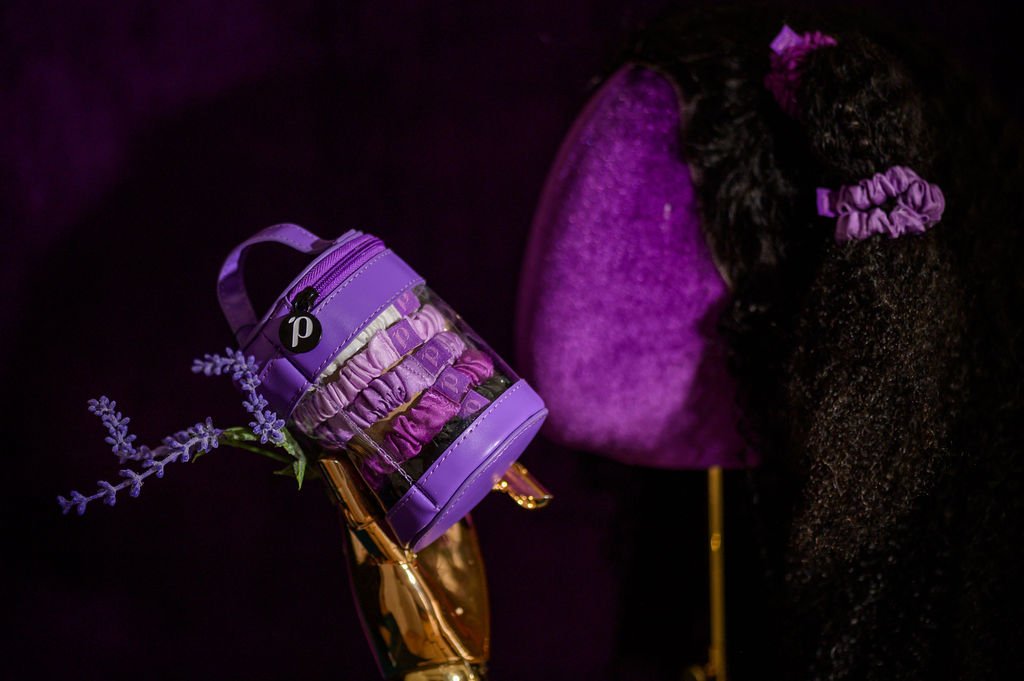
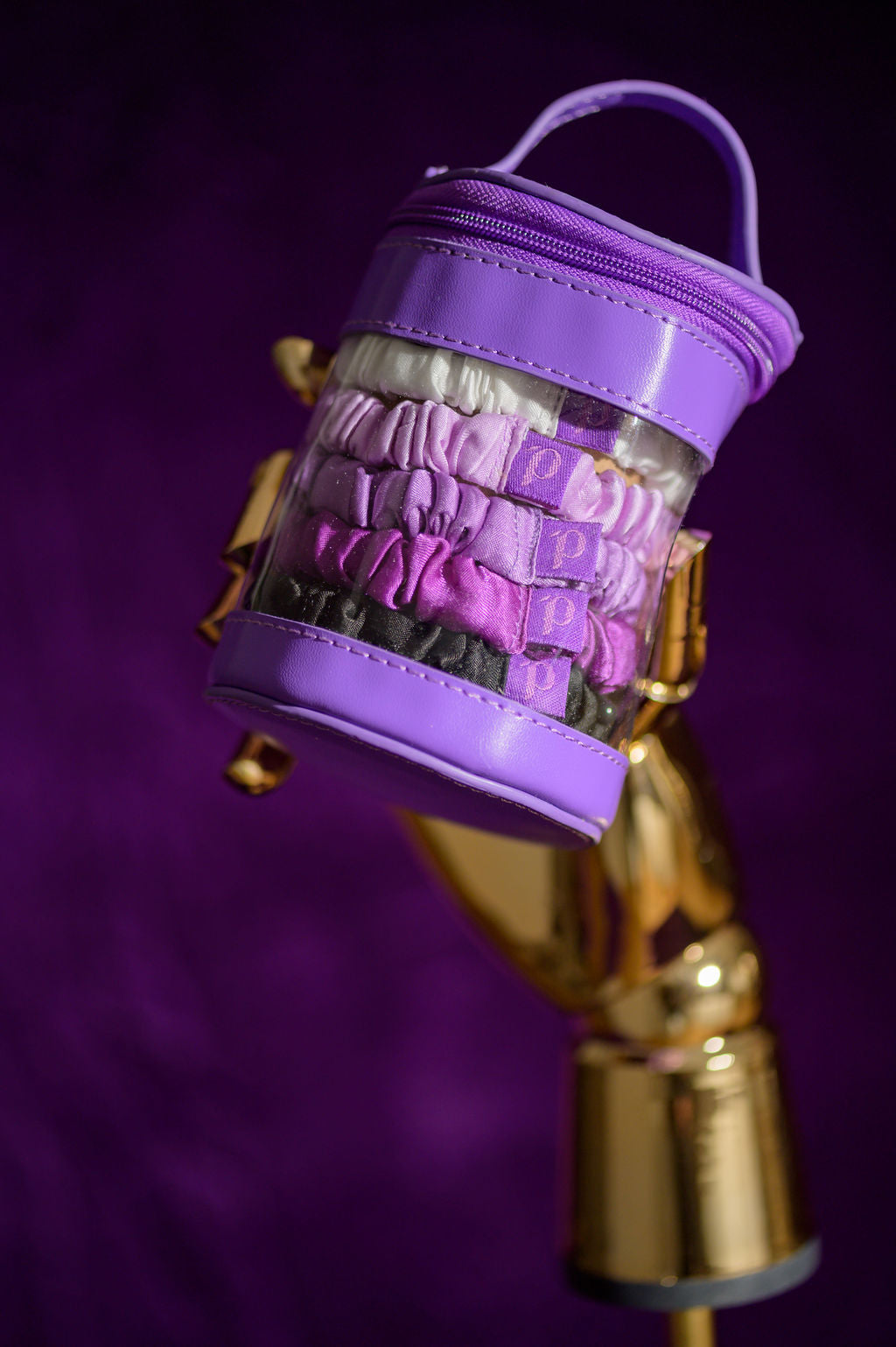
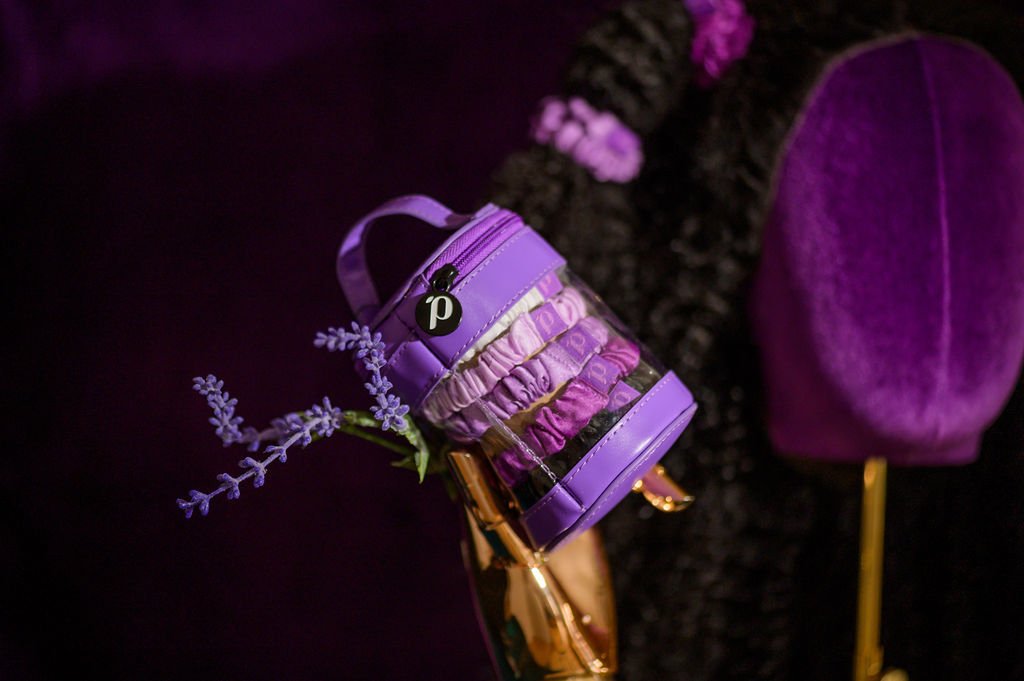
Our Pretties Scented Hair Ties | 100% French Lavender Essential Oils set includes five hand-dyed ties infused with 100% natural lavender essential oil.
How to Use Peppermint Oil for Sleep and Focus
Peppermint is often chosen for focus. The answer depends on timing and on the individual. Because peppermint is stimulating for many people, it is generally better to use it in the morning or early afternoon and to choose lavender for the evening. For a broader look at how scent-based stress relief fits into daily routines, read the Aromatherapy Benefits for Work Stress guide.
For focus during the workday, try this approach:
- Use peppermint before tasks that need concentration, such as reviewing data or writing.
- Take one or two deliberate breaths with the scent before starting.
- Avoid using it in the hour before bed if it leaves you feeling alert.
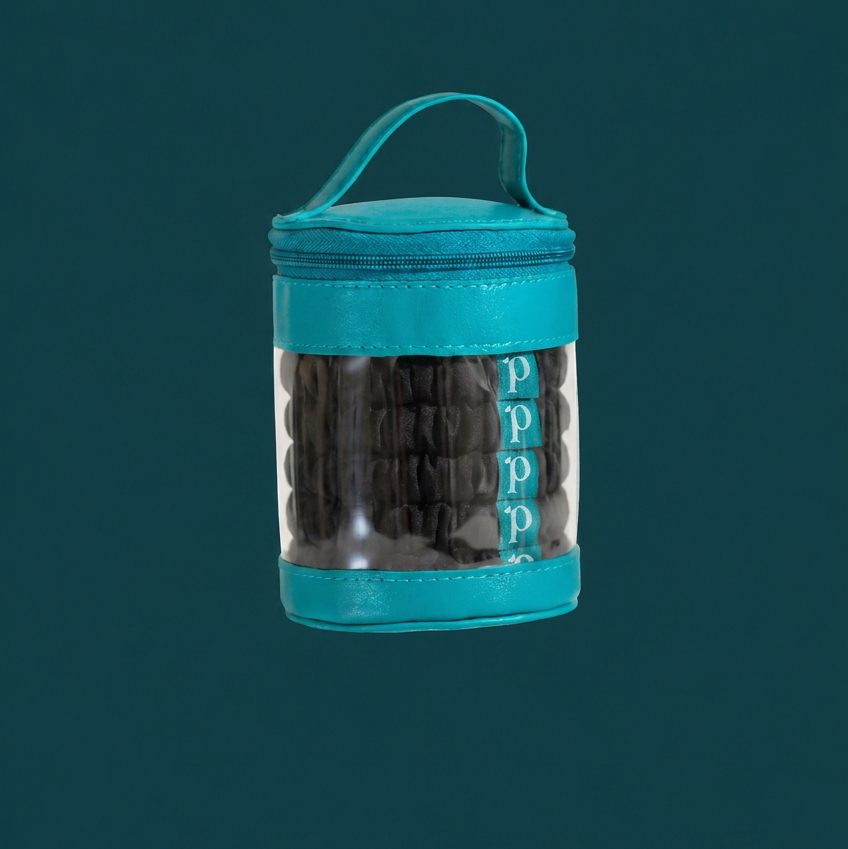
A peppermint, eucalyptus, and spearmint blend is another option for people who want an energizing scent. Our Pretties Scented Hair Ties | A blend of 100% Peppermint, Eucalyptus, & Spearmint Essential Oils set comes with five ties in an all-black design and is made for the times you need to feel clear and invigorated.
Can You Mix Lavender and Peppermint Oils in a Diffuser?
Yes, many people combine lavender and peppermint in a diffuser, but the result is not always what they expect. Lavender pulls the blend toward calm, while peppermint pulls it toward alertness. A blend can feel balanced, yet it can also feel muddled if the scents clash for you.
If you want to try a blend, keep these guidelines in mind:
- Start with a small amount of each oil and a short diffusing session.
- Use a light hand, since strong scents can overwhelm a room.
- Pay attention to how you feel afterward, and adjust the ratio next time.
- Do not use undiluted essential oils directly on skin.
For most people, separate scents for separate moments work better than a single mixed blend. Carrying lavender for stress and peppermint for focus gives you more control over how you feel during the day.
Choosing a Scented Hair Tie to Carry Your Stress Relief Through the Workday
Diffusers stay at your desk, but a hair tie goes everywhere. That makes a scented hair tie a practical way to keep your chosen oil close during meetings, commutes, and workouts.
When choosing, consider these questions:
- Do you need calm or alertness? Choose lavender for tension and peppermint for focus.
- Do you want a single scent or a range? A pair or bundle lets you switch depending on the day.
- How will you use it? Our Pretties ties are built to stay put during vigorous activity, so they suit workouts as well as the office. You can browse the lavender hair tie set to keep that calming scent with you all day.
Our 2 Pk of 100% Essential Oil Hair Ties | 5 Hair Ties in Each Pack bundle, priced at $75.00, lets you pick two lavender sets, two uplift sets, or one of each, with 10% off a bundle of two. That makes it easy to keep both a calming and an energizing option within reach.
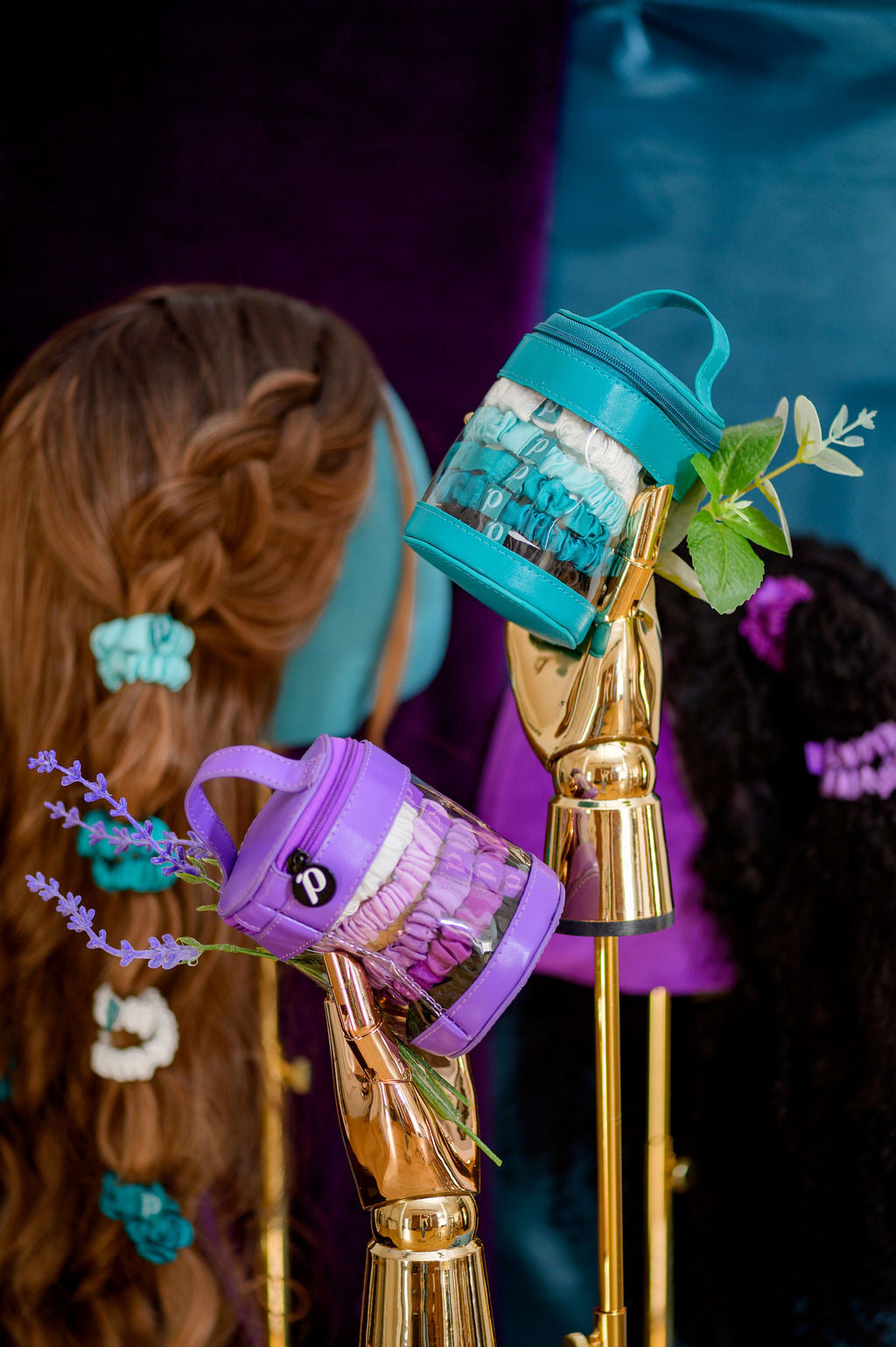
Each tie is biodegradable and made by women-led teams. Whichever scent you pick, the goal is the same: a small, reliable cue that helps you pause, breathe, and reset during a busy day.
Frequently Asked Questions
Which is better for stress, lavender or peppermint oil?
Lavender is generally the better fit when the goal is calm and winding down, because its scent is associated with relaxation. Peppermint is the stronger choice when you need alertness or a mental lift during a long afternoon. Many people use lavender after work and peppermint during it. Neither oil replaces professional care for ongoing anxiety, and both work best as a small, consistent part of a daily routine rather than a quick fix.
What is the best oil for stress relief?
Lavender is a popular essential oil for stress relief. Peppermint and eucalyptus are popular for an energizing lift. The best oil depends on what you need: calm for a stressful evening, or focus during a workday. Start with a single scent, use it at the same times each day, and notice how you feel over a week before adding another.
Can I mix peppermint oil and lavender oil together?
Yes, many people blend the two. A common approach is to combine a few drops of each in a diffuser or in a carrier oil for topical use, then notice how the mix feels. The blend can offer a balance between calm and clarity. If you have sensitive skin, dilute any oil before applying it to your skin and do a patch test first. Pretties' Lavender Serenity Set and the peppermint, eucalyptus, and spearmint Uplift set offer each scent on its own, so you can test them separately before blending.
Is peppermint oil good for sleep?
Peppermint is usually considered a stimulating scent, so it is less often recommended for sleep than lavender. Some people find that a light peppermint scent helps them feel refreshed in the morning, while lavender is the more common choice before bed. If you want a scent to support a nighttime routine, lavender is typically the better starting point. Try each scent for a week and track how you sleep before deciding.
